
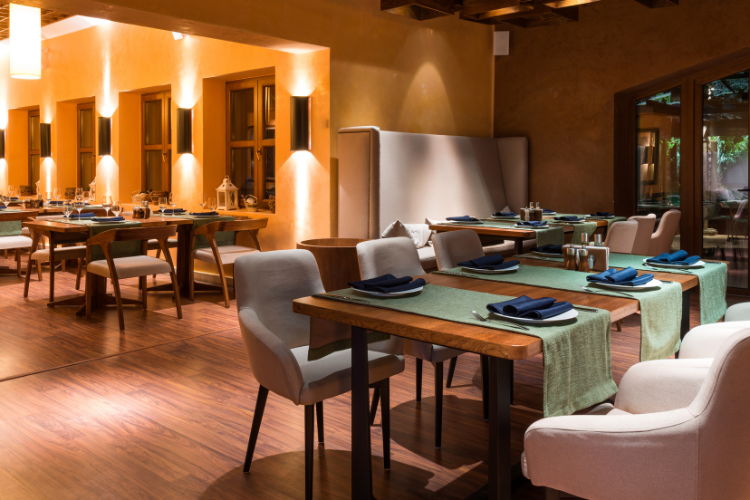
Launching a restaurant in the UK is an exciting and potentially rewarding venture. Bringing your culinary vision to life and creating a welcoming space for diners is the dream. Before you can open your doors and start trading, you need to pay close attention to one important step: getting the right restaurant license. Navigating the legal landscape of food businesses in the UK is crucial for compliance, safety, and long-term success.
This guide will help you understand the key licenses and permits you may need. It explains the process and the requirements set by local councils.
Overview of Restaurant Licenses
Operating a restaurant involves serving food and often alcohol to the public. Specific regulations govern each aspect to protect public health and safety. Therefore, a single "restaurant license" doesn't cover everything; rather, you'll need to secure several different permissions.
Types of Licenses
The primary licenses and registrations required for a restaurant in the UK typically include:
- Food Business Registration: Mandatory for all food businesses.
- Premises Licence: You need this to sell alcohol, serve late-night food, or provide entertainment like live music.
- Personal Licence: At least one person connected to the business is needs to have it if you want to sell alcohol with a Premises Licence.
- Planning Permission: Essential to ensure your chosen location has the correct planning use class for a restaurant.
- Building Regulations Approval: Necessary if you are carrying out significant building work or changes to the premises.
- Signage and Advertising Consents: May be required depending on local council rules.
- Waste Carrier Registration: For the legal disposal of commercial waste.
Understanding which of these apply to your specific business model is the first step. A restaurant license is often seen as a general term. However, it is the mix of these individual permits that lets you operate legally.
Importance of Compliance
Compliance with all relevant regulations and obtaining the correct restaurant license is non-negotiable. Failure to do so can result in significant penalties, including fines, prohibition notices, forced closure, and even imprisonment in severe cases, particularly relating to food safety breaches.
Compliance not only has legal effects but also builds trust with your customers. It shows you care about providing a safe and enjoyable dining experience. It's an investment in the reputation and sustainability of your business in England and across the UK.
Regulatory bodies, like the Food Standards Agency, help ensure businesses meet high standards. Following these rules means you support public health.
Steps to Obtain a Restaurant License
To get your restaurant license and permits, you need a clear plan. Work closely with your local council and other important groups.
Research Your Local Council Requirements
Regulations can have local variations, particularly regarding planning, street furniture, and sometimes even aspects of licensing hours. Before you do anything else, identify the local council for your restaurant's location. Visit their website or contact their licensing and planning departments.
Key information to research includes:
- Specific requirements and application forms for food business registration.
- Details of the Premises Licence application process, fees, and policy regarding licensing hours in the area.
- Planning permission requirements for changing the use of a building or making structural alterations.
- Local policies regarding signage, outdoor seating, and waste disposal.
Getting in touch with your local council early is important. This helps you understand their processes and avoid delays or problems later.
Register Your Food Business
This is a fundamental legal requirement for anyone running a food business in the UK, including restaurants. You must register your food business with the local authority at least 28 days before opening. This is a simple, free process that can usually be done online via the GOV.UK website or your local council's site.
When you register as a food business, you give details about your location, the food you will handle, and your opening date. This notification allows the local authority's environmental health department to know about your existence and schedule future inspections. It is a legal obligation under food safety legislation to comply with food business with your local authority.
Legal Requirements
Beyond registration, your restaurant must comply with food safety legislation, primarily the Food Safety Act and associated regulations. These laws cover everything from food hygiene, temperature controls, allergen information, traceability, and structural requirements for food premises.
Understanding your obligations under the Food Safety Act is vital. You are responsible for ensuring that the food you prepare and serve is safe to eat. This means setting up a strong food safety management system, like HACCP or the FSA's 'Safer Food, Better Business' pack. It also includes training staff and keeping high cleanliness standards.
Environmental Health Officer Engagement
Once you have registered your food business, an environmental health officer (EHO) from the local council will likely visit your premises. The timing of this visit can vary; it might be before you start trading or shortly after.
The EHO's role is to inspect your premises and assess your compliance with food safety laws. They will examine the layout of your kitchen and serving areas. They will also check your food safety procedures, hygiene practices, temperature controls, and staff training.
Based on their inspection, they will issue your restaurant a Food Hygiene Rating Scheme score (from 0 to 5) that they will display publicly. A good rating is essential for attracting and retaining customers. Building a good relationship with your EHO is very important. Being proactive about their recommendations helps your business succeed in the long run.
Apply for a Premises License
To sell alcohol, offer live music, or serve hot food and drinks late at night, you need a Premises Licence. This applies if you provide entertainment or serve food and drinks between 11 pm and 5 am. The local council grants this license under the Licensing Act 2003.
Understanding the Premises License
A Premises Licence is attached to the location, not the person or business. It lists the activities allowed at the location, the hours for these activities, and the rules to follow. These rules help support the four licensing goals:
- Prevention of crime and disorder
- Public safety
- Prevention of public nuisance
- Protection of children from harm
To apply for a Premises Licence, you need to fill out a detailed application form. You must also provide a plan of the premises. Finally, you should suggest operating schedules and conditions.
You must also promote your application on the premises and in a local newspaper. This allows local residents and authorities, like the police or fire service, to share their opinions. This consultation period is a statutory requirement.
Local Authority Submission Timeframes
The application process for a Premises Licence takes at least 28 days for the consultation period. This is true if no objections are made. If representations are received, the application may go to a licensing sub-committee hearing. This can make the process much longer.
You must submit your application to the local authority at least 28 days before you open. This is important if you need a Premises Licence to sell alcohol or provide late-night refreshment from the start. Factor in potential delays and apply well in advance of your planned opening date.
Food Safety and Hygiene Regulations
Following food safety and hygiene rules is a continuous commitment. It is not just a one-time step to get your restaurant license. It's fundamental to operating any business that includes food.
Complying with the Food Safety Act
The Food Safety Act 1990 forms the basis of food law in Great Britain. It places obligations on food businesses to ensure that food is safe, does not contain anything that could be harmful to health, and is not misleadingly described. Subsequent regulations cover specific areas like hygiene, allergens, and traceability.
Compliance involves implementing and maintaining a food safety management system tailored to your business, regular training for staff, proper storage and handling of food, effective cleaning procedures, and pest control. Your environmental health officer will assess your compliance during inspections.
Importance of Food Safety Training
Training your staff in food safety and hygiene is not just good practice; it's often a legal necessity. Supervisors must instruct and train staff handling food in food hygiene matters that match their work. - There is no law that says all staff must have a food hygiene certificate. However, it is important for them to get proper training for their jobs.
Proper training helps prevent food poisoning outbreaks, reduces waste, and ensures your business complies with the law, protecting both your customers and your restaurant.
Long-term Compliance Strategies
Achieving and maintaining a high level of food safety requires a long term strategy. This includes:
- Regularly reviewing and updating your food safety management system.
- Providing ongoing training and refresher courses for staff.
- Conducting internal audits and checks.
- Staying informed about changes in food safety legislation.
- Investing in appropriate equipment and maintenance.
Personal License
If your restaurant wants to sell alcohol with a Premises Licence, at least one person must have a personal licence.
Why You Need a Personal License
A Personal Licence authorises an individual to supervise the sale of alcohol. It shows that the person has the right qualifications. They have not lost a Personal Licence or been convicted of any related crime.
You need at least one Personal Licence holder. This person must be the Designated Premises Supervisor (DPS). You need a DPS on your Premises Licence to sell alcohol. The DPS manages the daily operations of the premises. They also make sure the Premises Licence conditions are followed.
How to Apply for a Personal License
To obtain a personal licence, you must:
- Be aged 18 or over.
- Hold a relevant licensing qualification (e.g., Level 2 Award for Personal Licence Holders).
- Not have forfeited a Personal Licence in the last 5 years.
- Not have an unspent conviction for a relevant offence.
You apply to the local council where you live, not where the premises are located. The application requires proof of your qualification and a criminal record check. Once granted, a Personal Licence is valid indefinitely unless surrendered, suspended, or revoked.
Insurance Considerations
While it is not a strict 'license' from the council, having the right insurance is very important. It is a legal requirement and necessary to protect your restaurant business.
Liability Insurance for Restaurants
Public liability insurance is essential for any business interacting with the public. It protects you from claims. This happens if a customer or a member of the public is hurt. It also applies if their property is damaged because of your business activities. Given the nature of restaurants with food handling and customer traffic, the risk of accidents is present.
Other important insurances to consider includes food stock insurance, contents insurance, employers' liability insurance (a legal requirement if you employ staff), and potentially business interruption insurance. Discuss your specific needs with an insurance broker experienced in the hospitality sector.
Conclusion
Obtaining the necessary licenses and permits is a fundamental step in opening a restaurant in the UK. It involves registering as a food business, potentially applying for a Premises Licence and Personal Licence, ensuring compliance with strict food safety and hygiene regulations, and securing appropriate insurance.
Working closely with your local council and staying informed about your obligations under the Food Safety Act are key to a smooth process.
While it may seem like a complex undertaking, diligently following these steps ensures you meet all legal requirements, allowing you to focus on building a successful and safe restaurant licenced business that thrives in the competitive UK market.
Taking the time to get this right from the outset is an investment in the long term health and profitability of your restaurant.
For almost 20 years, 3S POS has offered one of the most flexible EPOS systems and Restaurant Payment Solution. Our clients include international brands such as Caffe Concerto, Chaiiwala, Heavenly Desserts, Pepe’s Piri Piri, GDK and thousands more delighted customers.
If you are looking for an Restaurant POS System that will not just help you accept payments but includes staff management, inventory management, multi-site management, loyalty programs, and much more, speak to our sales for a free demo.
.svg)