
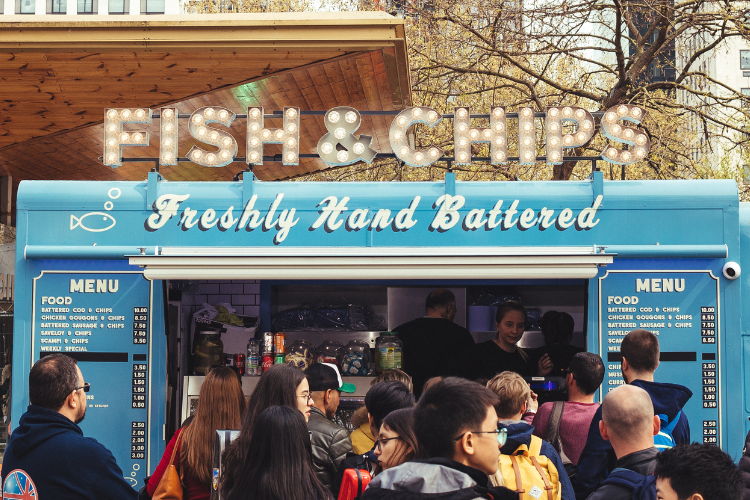
Dreaming of serving up your culinary creations from a mobile kitchen? Starting a food truck business in the UK is an exciting venture!
However, before you fire up the grill and hit the streets, navigating the world of permit food truck requirements is absolutely essential. Getting the right licenses and permits in place is not just a legal obligation; it's the foundation for a successful and sustainable operation.
This guide will walk you through the vital steps and considerations for securing your food truck license in the UK, helping you understand the regulations and get your wheels rolling legally and safely.
Understanding Food Truck Licensing
Setting up a food truck business involves more than just finding the perfect vehicle and developing a mouth-watering menu. The legal framework surrounding mobile food vendors is crucial for public health and safety, and understanding it is your first step towards legitimate trading.
Importance of a Food Truck License
Operating without the proper food truck license and permits can lead to significant fines, forced closure, and damage to your reputation.
A license signifies that your business meets the required health, safety, and trading standards set by local authorities and national bodies. It builds trust with your customers, assures them that your food is prepared and served safely, and allows you to trade legally in designated areas. Think of it as your official stamp of approval.
Beyond the legal necessities, having your documentation in order provides peace of mind, allowing you to focus on what you do best – creating fantastic food.
Overview of Food Truck Regulations in the UK
In the UK, food business regulations are primarily governed by food safety legislation, which is enforced by local authorities. This includes rules around food hygiene, allergens, and traceability. Additionally, operating a food truck, often referred to as a food van, falls under street trading regulations, which vary significantly depending on the specific council area you plan to operate in.
Key regulatory bodies include the Food Standards Agency (FSA) at a national level, and local councils who handle registration, inspections, and street trading licenses. Understanding that regulations can differ from one council to another is vital for anyone looking into food truck regulations UK.
Types of Permits Required
When you're looking into what license do you need for a food truck UK, you'll quickly find it's not just a single document. There are several layers of permission and registration required to operate legally.
Food Truck Business Registration
One of the most critical first steps is food truck registration with your local authority's environmental health service. This is a legal requirement for all food businesses, including mobile ones. You must register at least 28 days before you start trading. This registration is free and cannot be refused.
The local authority will use this information to arrange inspections to ensure your food safety standards meet legal requirements. These inspections will result in a food hygiene rating, which is publicly available and a significant factor for potential customers.
Food Van License vs. Food Truck License
While the terms "food van" and "food truck" are often used interchangeably, the required food van license or license for food truck typically refers to a street trading license. This license gives you permission to sell food from a pitch on a public street or area controlled by the local council.
Crucially, street trading regulations are set and enforced by individual local councils. This means the process, cost, and availability of licenses can vary dramatically depending on where you intend to operate. Some areas may have specific pitches available, while others may have restrictions on mobile trading. You will need a separate street trading license for each council area you wish to trade in.
Local Authority Requirements
Each local authority will have its own specific requirements for granting a street trading license. These often include:
- Detailed information about your business and vehicle.
- Proof of food business registration.
- Details of where and when you intend to trade.
- Public liability insurance.
- Sometimes, a valid MOT and vehicle insurance for the truck.
- Potentially, a criminal record check.
Some councils may have limitations on the type of food sold, the hours of operation, or the specific locations permitted for mobile traders.
It is absolutely essential to contact the specific council(s) where you plan to operate early in your planning process to understand their particular requirements and application procedures for a food truck permission.
Step-by-Step Guide to Obtaining Food Truck Permits
Navigating the bureaucracy might seem daunting, but breaking it down into manageable steps makes the process clearer. Here’s a guide on how to start a food truck UK by focusing on getting your paperwork in order.
Researching Necessary Licenses
Before you even apply, thorough research is key. Identify all the local authorities you plan to operate within. Visit their websites or contact their licensing departments directly. Ask specific questions about:
- Their street trading policy and application process.
- Available pitches or permitted trading areas for food trucks.
- Application fees and annual renewal costs.
- Any specific requirements for vehicle type or setup.
- Food safety requirements beyond national standards.
Don't forget national requirements like food business registration and understanding food hygiene regulations. Looking into starting a food van business UK requires this groundwork to avoid future headaches.
Preparing Your Food Truck for Inspection
Your food truck will need to meet stringent health and safety standards to pass inspections by the local authority's environmental health officers. This involves ensuring:
- The vehicle is clean and in good repair, constructed from materials that are easy to clean and disinfect.
- You have adequate handwashing facilities with hot and cold running water, soap, and hygienic drying.
- There are appropriate facilities for washing equipment and utensils.
- You have sufficient refrigeration and hot holding equipment to keep food at safe temperatures.
- There are measures in place to prevent cross-contamination between raw and ready-to-eat foods.
- You have a documented food safety management system (often based on HACCP principles), such as the FSA's 'Safer Food, Better Business' pack or equivalent.
- Staff are adequately trained in food hygiene.
- You have procedures for waste disposal and pest control.
Getting your truck ready involves more than just aesthetics; it's about creating a safe and hygienic environment for food preparation. This preparation is crucial before applying for your licenses and arranging any inspections.
Application Process for a Food Truck License
Once you've done your research and prepared your truck, you can begin the application process for the necessary licenses.
- Register as a Food Business: Submit your food business registration form to the local authority where your food truck business is primarily stored or kept when not trading (your home address if that's the case, or the address of the depot). Do this at least 28 days before trading.
- Apply for a Street Trading License: Contact each individual council where you plan to trade. Obtain specific application forms for street trading license and guidance notes. Complete the forms accurately, providing all requested information, including details of your food truck, proposed trading locations, and hours.
- Submit Supporting Documents: You will likely need to provide copies of your food business registration confirmation, insurance certificates, vehicle documents, and potentially your food safety management system documentation.
- Pay Application Fees: Be prepared to pay the required application fees, which vary significantly between councils. These fees are usually non-refundable.
- Arrange Inspections: The local authority's environmental health team will likely contact you to arrange an inspection of your food truck to assess your food safety practices and setup.
- Await Decision: The council will review your application and inspection report before making a decision on whether to grant your street trading license. This process can take several weeks or even months, depending on the council.
Remember that obtaining a street trading license for one council area does not give you permission to trade in another. You must go through the application process with each council individually.
Common Challenges and Solutions
Navigating the licensing landscape can present challenges, but with preparation and persistence, you can overcome them. Understanding how to start a food truck business effectively means being prepared for potential hurdles.
Navigating Local Regulations
As highlighted earlier, the biggest challenge is the variation in regulations between local authorities. A solution is proactive and thorough research.
Solution: Contact each council directly. Don't rely on information from other food truck owners about different council areas, as rules can change. Create a checklist of requirements for each council you target. Consider starting your operations in just one or two council areas to begin with, mastering their systems before expanding.
Dealing with Denied Applications
While frustrating, a denied application is not necessarily the end of your food truck dream. Understanding why your application was refused is the first step to addressing the issues.
Solution: Request clear written reasons for the refusal from the council. Address each point raised. This might involve making modifications to your truck, improving your food safety procedures, providing additional documentation, or adjusting your proposed trading locations or times. Once you have addressed the issues, you can typically reapply. Seeking advice from a legal professional specialising in licensing or a food business consultant can also be beneficial.
Tips for Meeting Health and Safety Standards
Maintaining high health and safety standards is paramount for getting and keeping your license, and for the success of your starting a food truck business uk.
Solution:
- Implement a robust food safety management system and ensure all staff are trained on it.
- Keep detailed records of temperatures, cleaning schedules, and staff training.
- Maintain your food truck to the highest standards of cleanliness.
- Stay updated on the latest food hygiene regulations and best practices. The Food Standards Agency website is an excellent resource.
- Consider getting a professional food hygiene consultant to review your setup and procedures before your inspection.
Adhering to these standards not only helps you get your license but also protects your customers and your business's reputation.
Additional Resources and Support
You don't have to navigate the complexities of food truck permission and licensing alone. There are many resources and networks available to help you on your journey.
Websites and Organisations for Food Truck Owners
Several official and industry bodies provide guidance and support for food businesses in the UK.
- GOV.UK: The official government website is the starting point for understanding food business registration and provides links to local council information. Search for "Food business registration" and "Street trading licence".
- Food Standards Agency (FSA): The FSA is responsible for food safety and hygiene across the UK. The Food Standards Agency's website has extensive resources, including guidance on food safety management systems like 'Safer Food, Better Business'.
- Nationwide Caterers Association (NCASS): NCASS is a leading trade association for mobile caterers in the UK. They offer a wealth of resources, including advice on licensing, food safety support, insurance, and legal help. Membership can be invaluable for navigating the complexities of the industry.
- Local Authority Websites: As mentioned, the websites of the specific local councils you plan to operate in are crucial for understanding their unique street trading requirements and application processes.
Networking Opportunities in the Food Truck Community
Connecting with other food truck owners can provide invaluable insights and support.
- Social Media Groups: Look for UK-based food truck owner groups on platforms like Facebook. These communities are great places to ask questions, share experiences, and learn about local council nuances.
- Industry Events and Markets: Attending food festivals, markets, and catering industry events allows you to meet other traders and build connections.
- Local Council Briefings: Some councils may hold briefings or provide specific points of contact for potential street traders.
Learning from those who have already gone through the process can save you time and help you avoid common pitfalls related to your food truck license UK.
Successfully obtaining your permit for food truck is a significant milestone in launching your mobile catering venture. While it requires careful planning, thorough research, and attention to detail, the process is manageable with the right approach.
By understanding the different types of licenses needed, researching local authority requirements, meticulously preparing your food truck for inspection, and following the application steps carefully, you can navigate the licensing landscape effectively.
Don't forget to utilise the wealth of resources and support available from official bodies and the thriving food truck community. With your licenses secured, you'll be well on your way to bringing your culinary passion to the streets of the UK.
For almost 20 years, 3S POS has offered one of the most flexible EPOS systems and Restaurant Payment Solution. Our clients include international brands such as Caffe Concerto, Chaiiwala, Heavenly Desserts, Pepe’s Piri Piri, GDK and thousands more delighted customers.
If you are looking for a handheld order pad for you food truck, speak to our sales for a free demo.
.svg)