
The digital age has transformed many industries. The restaurant industry is no exception.
Food bloggers have emerged as influential players in this space. Their impact is far-reaching and multifaceted.
They shape marketing strategies, influence consumer behaviour, and redefine the dining experience. Their reviews and features can make or break a restaurant's reputation.
Their rise coincides with the growth of social media. Platforms like Instagram have become key channels for food blogging.
This article explores the significant role of food bloggers in the restaurant industry. It delves into how their influence has reshaped the food industry landscape.
Join us as we navigate the intersection of dining and digital media. Discover how food bloggers have become essential to the restaurant industry's growth and evolution.
The Rise of Food Blogging and Its Intersection with Social Media
Food blogging began as personal diaries online where enthusiasts shared their culinary experiences. Over time, it evolved into a global phenomenon. The rise of food blogging has closely followed the development of social media platforms.
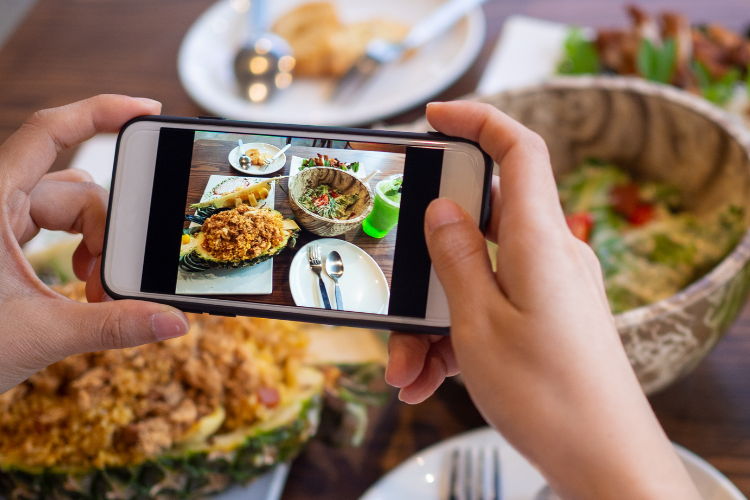
Platforms like Instagram and Pinterest have amplified this trend. They allow food bloggers to share visually stunning images of meals and dining experiences. The power of an alluring photo can entice followers and create interest in specific eateries or dishes.
Social media has become an ideal space for food bloggers. It provides a direct connection to an engaged audience that craves authentic content. Regular posts maintain interest and interaction, keeping audiences attuned to the latest culinary trends.
The immediacy of social media has allowed food bloggers to impact restaurants swiftly. A single post can reach thousands, sparking quick responses and potentially increasing restaurant foot traffic. This real-time sharing can enhance the excitement surrounding a new dish or restaurant opening.
Food influencers leverage platforms for storytelling. This blends recommendations with personal narratives, creating a deeper connection with their audience. Food blogging and social media have changed how we enjoy dining. Now, eating out feels more interactive and fun.
Food Bloggers as Marketing Strategists for Restaurants
Food bloggers are not just passionate about cuisine; they serve as modern-day marketing strategists. Their influence can shape a restaurant's image and broaden its reach. By sharing authentic experiences, bloggers help build trust and credibility among potential customers.
Collaborations between restaurants and food bloggers are increasingly common. These partnerships can involve menu tastings, special events, or promotional campaigns. By leveraging the blogger's audience, restaurants can tap into new customer bases and market segments.
The authenticity food bloggers bring is invaluable. Unlike traditional advertising, people view their recommendations as authentic and personal, unlike typical advertising. This perceived honesty can make a powerful marketing impact, drawing diners who seek real reviews and experiences.
Restaurants often invite bloggers to test new dishes or attend openings. These events give bloggers firsthand experience, which they eagerly share with their followers. Such collaborations not only promote new offerings but also enhance the restaurant's visibility across digital platforms.
The insights from food bloggers provide restaurants with valuable feedback. Their opinions often reflect customer sentiments, helping restaurateurs refine their products and services.
Food bloggers help restaurants by promoting them. They connect with the public and engage customers. Their role is important for the restaurant's strategy.
The Power of Visuals: Presentation in the Dining Experience
The visual allure of a dish often captivates diners before they even take a bite. Food bloggers emphasise this aspect, sharing mouthwatering images that appeal to their audiences. Well-presented dishes are common in food blogging, especially on visual platforms like Instagram.
The emphasis on presentation has led to the rise of "Instagrammable" dishes. Restaurants strive to create visually stunning meals that will attract online attention. This focus on aesthetics is now a vital part of the dining experience, influencing both chefs and marketers.
Many restaurants are now designing their spaces with visual appeal in mind. Eye-catching interiors and photogenic plating help boost social media engagement. Such design choices cater to the tastes of food bloggers and their followers, encouraging shares and likes.
The impact of visuals extends beyond social media. A visually appealing dish can enhance the overall dining experience, creating lasting memories for guests. In a competitive market, good presentation is important. It helps attract food bloggers who look for appealing visuals.
User-Generated Content vs. Traditional Advertising
User-generated content (UGC) offers authenticity that traditional advertising often lacks. Food bloggers offer authentic and relatable viewpoints, making them great at creating engaging User-Generated Content (UGC). Their recommendations often resonate more with audiences than carefully crafted ad campaigns.
Restaurants benefit from this authenticity. Positive mentions by food bloggers can create trust and credibility among potential customers. Readers value the personal touch and real-life experiences that bloggers share, making their endorsements powerful.
Traditional advertising tends to be more uniform and promotional. By contrast, food bloggers provide a personalised view, sparking interest through storytelling and personal anecdotes. This narrative approach can be more persuasive, influencing dining choices and preferences.
Furthermore, user-generated content is dynamic and ever-changing. Restaurants can leverage this by engaging with food bloggers who continuously produce fresh content. This ongoing engagement helps restaurants stay important and establish social media presence. Static ads usually do not do this well.
Niche Marketing and Audience Engagement Through Food Blogging
Food blogging allows restaurants to target specific niche markets. Bloggers often cater to particular interests, like vegan cuisine or local culinary traditions. This focus helps restaurants reach audiences they might otherwise miss.
Restaurants can collaborate with bloggers who specialise in these niches to access their loyal followers. By partnering with the right blogger, a restaurant can effectively engage a community of enthusiasts. These partnerships can lead to increased awareness and patronage, driven by targeted content.
Engagement is key in this strategy. Bloggers interact closely with their followers, fostering a sense of community and trust. This interaction can lead to higher engagement rates than traditional marketing approaches, which may lack personal connection.
Through these targeted efforts, restaurants can effectively harness the power of food blogging. By working with niche bloggers, they can share their message with an audience that is interested in their special products. This synergy is crucial for modern marketing success in the competitive food industry.
The Viral Effect: How Food Bloggers Can Amplify a Restaurant's Reach
Food bloggers can create viral content that greatly increases a restaurant's visibility. When a blog post goes viral, it can lead to massive exposure for the restaurant featured. This level of visibility is hard to achieve with traditional advertising alone.
The potential for a post to go viral hinges on its shareability. Bloggers often create content that resonates emotionally with their audience. This connection prompts readers to share the content widely, spreading the word about the restaurant.
Restaurants benefit from this viral effect through increased customer interest and foot traffic. The excitement generated by a popular post can cause a surge in reservations and visits. It becomes a cost-effective way to attract new customers without hefty marketing spends.
Moreover, viral content can transcend geographic boundaries. This helps restaurants connect with people who might visit after seeing popular blog posts. It lets the restaurant attract more customers beyond their local area.
The Symbiotic Relationship Between Restaurants and Food Bloggers
Restaurants and food bloggers enjoy a mutually beneficial relationship. Bloggers gain content, while restaurants enjoy increased exposure. This partnership thrives on collaboration and shared goals.
Restaurants often invite bloggers to exclusive tastings or openings. These events provide bloggers with fresh content to captivate their audience. In return, the restaurant garners publicity and hype before and after launch.
Such interactions often lead to authentic and engaging content. Bloggers value the first-hand experience and stories, which resonate well with their audience. Meanwhile, restaurants benefit from the personal touch that bloggers bring to storytelling.
This symbiosis helps both parties flourish in the competitive food industry. With proper collaboration, both restaurants and bloggers can leverage each other’s strengths. This leads to improved visibility and audience interaction, which is advantageous for everyone involved.
The Impact of Food Bloggers Beyond Reviews: Trends and Insights
Food bloggers have expanded their role far beyond simple reviews. They now drive industry trends and provide critical insights. This expansion influences the broader food industry landscape.
Bloggers often highlight emerging culinary trends through their content. From plant-based diets to experimental fusion cuisines, they showcase innovation. These trends can help restaurants stay relevant and ahead of market changes.
In addition to trends, bloggers offer valuable feedback on dining experiences. This feedback can be instrumental for restaurants seeking to improve services. Restaurants gain direct insight into consumer preferences and expectations.
Moreover, bloggers' engagement with their audience contributes to market research. Tracking audience reactions gives restaurants real-time consumer sentiment data. By staying informed, businesses can better adapt to evolving customer demands.
Ethical Considerations and the Future of Food Blogging in the Restaurant Industry
Ethical questions often surface in the world of food blogging. Transparency and honesty are critical to maintain trust. Readers look for genuine reviews untainted by sponsorship.
The relationship between food bloggers and restaurants can be complex. Clear boundaries and ethical guidelines are important. Both bloggers and restaurants benefit from setting mutual expectations.
To maintain credibility, influencers must disclose paid promotions. Ensuring openness in partnerships is vital for sustaining trust with the audience. Readers should always recognise when content is sponsored or influenced.
Looking forward, food blogging will continue to evolve. New platforms and technologies will shape future interactions. Restaurants need to stay adaptable to leverage this dynamic landscape effectively.
Conclusion: Embracing the Food Blogger Phenomenon
Food bloggers have undeniably reshaped the restaurant industry. Their influence touches everything from marketing to customer engagement. Restaurants must adapt to harness this powerful trend.
Embracing food bloggers involves more than simply inviting them to dine. It means building genuine relationships and valuing their unique contributions. This collaborative spirit benefits both parties immensely.
As the digital landscape continues to evolve, so will the impact of food bloggers. Forward-thinking restaurants will continue to innovate alongside these influencers. The future of dining promises to be as vibrant and dynamic as the bloggers shaping it.
For almost 20 years, 3S POS has offered one of the most flexible EPOS systems and Restaurant Payment Solution. Our clients include international brands such as Caffe Concerto, Chaiiwala, Heavenly Desserts, Pepe’s Piri Piri, GDK and thousands more delighted customers.
If you are looking for an Restaurant POS System that will not just help you accept payments but includes staff management, inventory management, multi-site management, loyalty programs, and much more, speak to our sales for a free demo.
.svg)