
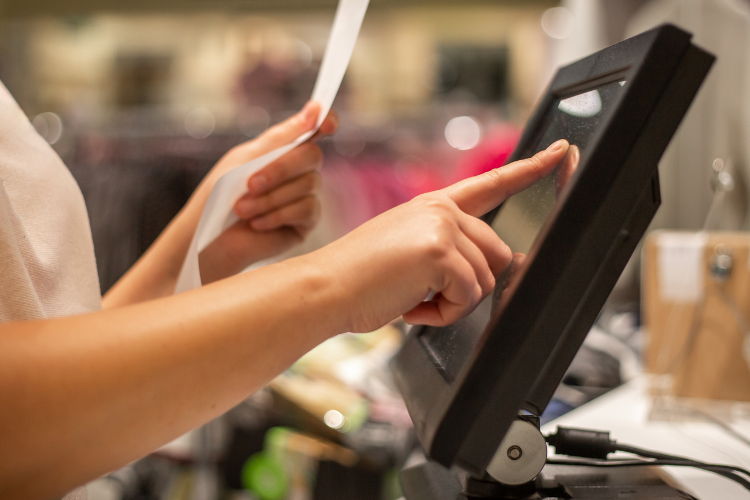
Investing in a Point of Sale (POS) system is a crucial step for any modern restaurant looking to improve efficiency, enhance customer experience, and gain valuable insights into their operations. However, navigating the various options and understanding the true POS system cost can be complex. It's more than just a single price tag; it's about understanding an investment with initial and ongoing expenses.
This guide is designed for restaurant owners and managers in the UK to help you budget effectively by breaking down the typical POS solution cost components and factors that influence the overall price.
Understanding the Basics of an EPOS System
Before diving into the costs, let's quickly define what we're talking about and why it's a worthwhile investment.
What is a POS system?
At its core, a restaurant POS system is a combination of hardware and software that serves as the central hub for your business transactions. Beyond just processing payments, a modern restaurant POS handles everything from taking orders (at the table, counter, or online), sending orders to the kitchen, managing inventory, tracking sales, generating reports, and often integrating with other essential restaurant technologies.
Benefits of a POS system in the restaurant industry
For restaurants, a well-chosen POS system offers significant benefits:
- Increased Efficiency: Faster order taking and processing, improved communication between front and back of house.
- Reduced Errors: Minimises mistakes in orders and calculations.
- Better Customer Experience: Quicker service, accurate billing, table management.
- Inventory Control: Tracks stock levels, helps reduce waste and prevent theft.
- Valuable Data & Reporting: Provides insights into sales trends, popular items, staff performance, and peak hours, aiding better business decisions.
- Improved Payment Processing: Handles various payment methods seamlessly.
Given these advantages, viewing the POS system cost as an investment in future growth and efficiency is essential.
How Much Does a Point of Sale System Cost
The overall restaurant point of sale systems cost is typically broken down into several parts: initial setup, hardware, software, and ongoing expenses.
Initial setup costs
These are typically one-time fees associated with getting your system up and running. They can include installation services, initial software configuration, menu setup, and integrating with existing systems. Some providers might include basic setup in their package of point of sale price, while others charge separately, especially for complex installations.
POS system hardware costs
This is often one of the most significant upfront expenses. The POS system hardware costs will depend heavily on the size and type of your restaurant operation. Common hardware components include:
- POS Terminals: Touchscreen displays are standard. The number needed depends on your service areas (front counter, bar, multiple dining sections).
- Receipt Printers: Essential for customer receipts and potentially kitchen orders.
- Kitchen Printers or KDS (Kitchen Display Systems): Improves communication and speed in the kitchen.
- Cash Drawers: For handling cash transactions.
- Card Readers/Payment Terminals: To accept payments in the form of cards and contactless. Note that these often come via your payment processor rather than the POS vendor directly, though they must integrate.
- Barcode scanners: Useful for scanning menu items, gift cards, loyalty program cards, or inventory.
- Handheld Devices: Tablets or dedicated order pads for table-side ordering.
- Routers and Networking Hardware: To ensure reliable connectivity.
The point of sale machine price for each component varies by brand and quality.
Software costs
Software is the brain of your POS system. Historically, software was often a one-time purchase (perpetual license), but the prevalent model today is a subscription (Software as a Service - SaaS).
With a SaaS model, you pay a recurring fee (usually monthly or annually) to use the software. This fee often includes updates and basic support. The POS software cost can vary based on:
- The number of terminals or licenses required.
- The features included (e.g., basic sales vs. advanced inventory, CRM, online ordering integration).
- Any additional features or advanced features.
- The provider's pricing structure.
Understanding the point of sale software cost per month is crucial for budgeting ongoing expenses.
Ongoing costs
Beyond the initial setup and hardware, there are regular costs associated with running a POS system.
- Monthly subscription fees: As mentioned, this is the POS system cost per month for using the software and often includes access to cloud-based POS system features and data.
- Payment processing fees: This is a separate, often variable, cost charged by your payment processor for accepting card payments. These fees can include a percentage of each transaction, a small flat fee per transaction, monthly account fees, statement fees, and potential charges for chargebacks or PCI compliance. These fees significantly impact the overall payment software cost and can be a major ongoing expense. Understanding the POS fee, point of sale fees, and transaction POS rate is vital.
Additional costs to consider
Don't forget these potential extra expenses:
- Training and support: While some basic support might be included in the subscription, premium support or extensive on-site training could incur additional charges. Ensure you know what level of support is provided and its cost.
- Maintenance and updates: Software updates are usually part of the subscription, but hardware maintenance, repairs, or replacement are separate costs. Consider service agreements if offered.
Comparing POS Systems
Given the various components, the restaurant POS system price isn't uniform. It varies significantly between providers and based on your specific needs.
Restaurant POS system price variations
You might find systems advertised at very low monthly fees, but these might require a significant upfront hardware purchase or come with higher payment processing rates. Conversely, systems with higher monthly fees might include robust hardware and lower processing costs. When evaluating, you need to look at the total cost of ownership over several years, not just the initial price.
Factors affecting point of sale costs
Several factors directly influence the point of sale systems prices:
- Brand and features: Well-known brands or systems offering advanced, industry-specific features (like sophisticated table management or multi-location reporting) typically command higher prices.
- Business size and type: A small cafe with one till point will have a vastly different pos system cost than a large restaurant chain requiring multiple terminals, kitchen printers, and potentially handheld devices. The complexity of your menu and operations also plays a role.
- Number of terminals/licenses: More hardware and more software licenses mean higher costs.
International POS pricing considerations
While this guide is focused on the UK market, it's worth noting that international POS pricing models and regulations can differ. Ensure any provider you consider is well-established in the UK, compliant with UK tax regulations (like VAT), and processes payments according to UK financial standards. Dealing with a UK-based or UK-focused provider often simplifies pricing and compliance.
Estimating Your Budget
So, how much does a POS system cost for a restaurant in the UK? As you can see, there's no single answer. However, we can provide a general idea of the ranges, keeping in mind these are highly variable estimates:
- Small Cafe/Takeaway (basic setup): Hardware could range from £500 - £1,500+. Monthly software subscriptions might start from £30 - £70+. Payment processing fees are extra (variable). Total initial might be £500 - £2,000+, with ongoing costs from £50 - £100+ per month plus transaction fees.
- Medium-Sized Restaurant (multiple terminals, kitchen printing): Hardware could be £2,000 - £6,000+. Monthly software subscriptions might range from £70 - £150+. Payment processing fees are significant and variable. Total initial could be £2,000 - £7,000+, with ongoing costs from £100 - £250+ per month plus transaction fees.
- Larger Restaurant/Multiple Locations: Hardware costs can quickly escalate to £5,000 - £10,000+ per location. Software subscriptions might be £100 - £300+ per month per location or have custom pricing. Payment processing fees will be substantial.
These are just rough estimates. The best way to know the restaurant POS systems cost for your business is to get quotes.
Tips for budgeting effectively
Define Your Needs: Before getting quotes, list all the features you need (table-side ordering, online integration, specific reports, multi-site management) and estimate the required hardware.
- Get Multiple Quotes: Compare pricing from several different POS vendors.
- Understand the Full Cost of Ownership: Look beyond the upfront price. Calculate the estimated total cost over 3-5 years, including all monthly fees, processing fees, and potential extra costs.
- Read the Small Print: Be aware of contract lengths, cancellation fees, price increase clauses, and what is not included in the standard package.
- Negotiate: Don't be afraid to negotiate, especially with processing fees.
- Consider ROI: How will the POS system save you money (reduced errors, better inventory) or help you earn more (faster table turnover, online orders)? Factor this into your decision.
Conclusion
Choosing and budgeting for a restaurant POS system requires careful consideration of both the initial and ongoing pos cost. By understanding the various hardware, software, subscription, and payment processing fees, you can create an accurate budget and compare systems effectively.
While the restaurant point of sale systems cost can seem significant, selecting the right system is an investment that can streamline your operations, improve profitability, and provide the data you need to make informed business decisions in the competitive UK restaurant market.
Don't just look for the cheapest option for point of sale charges; look for the system that offers the best value and capabilities for your unique restaurant needs.
For almost 20 years, 3S POS has offered one of the most flexible EPOS systems and Restaurant Payment Solution. Our clients include international brands such as Caffe Concerto, Chaiiwala, Heavenly Desserts, Pepe’s Piri Piri, GDK and thousands more delighted customers.
If you are looking for an Restaurant POS System that will not just help you accept payments but includes staff management, inventory management, multi-site management, loyalty programs, and much more, speak to our sales for a free demo.
.svg)